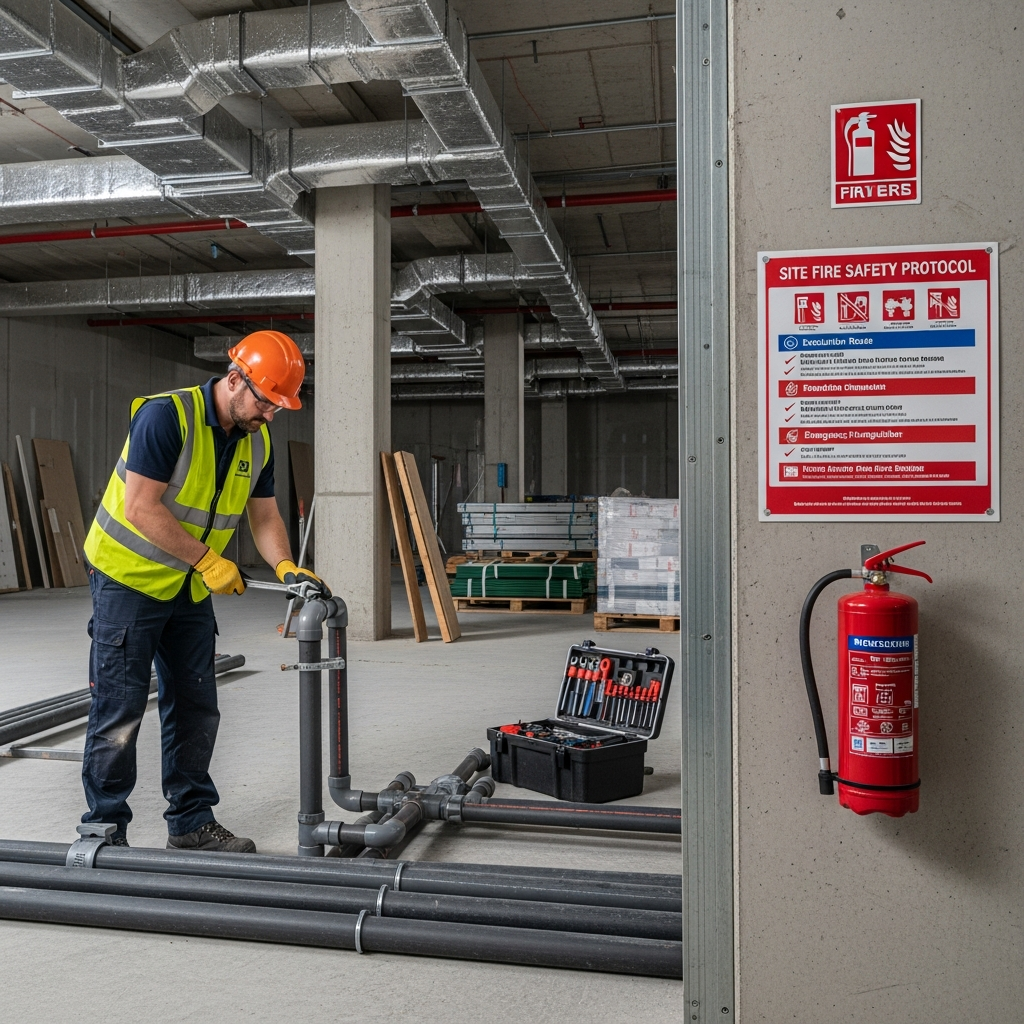
Why Site Fire Safety is Non-Negotiable
In any operational environment, from construction sites to bustling offices, the risk of fire is a constant, often overlooked, threat. A robust Site Fire Safety Protocol isn’t just a regulatory checkbox; it’s a critical safeguard for lives, property, and business continuity. Ignoring it can lead to devastating consequences, both human and financial. Let’s dive into the core components of an effective strategy that keeps everyone safe.
Prevention: The First Line of Defense
Prevention is always better than cure, and this holds especially true for fire safety. Key preventative measures include meticulous housekeeping – keeping work areas free of combustible waste, proper storage of flammable materials in designated, secure areas, and regular inspection of electrical systems. Faulty wiring, overloaded circuits, and damaged equipment are common culprits. Ensure all machinery is well-maintained and that hot work permits are strictly enforced, with appropriate fire suppression equipment on standby. Education on the safe use of heating appliances and proper waste disposal is also crucial for every team member.
Detection & Response: Swift Action Saves Lives
Early detection is paramount. Install and regularly test smoke detectors, heat sensors, and manual call points. These systems must be strategically placed and maintained according to manufacturer guidelines. Equally important is having clearly marked, accessible fire extinguishers and hose reels, and ensuring personnel are trained in their correct use. Establish clear emergency evacuation routes, post them prominently, and conduct regular fire drills to familiarize everyone with the procedures. Designate fire marshals who are properly trained to guide evacuations and account for all personnel.
Training & Awareness: Empowering Your Team
Even the best protocols are useless without a well-informed team. Regular training sessions on fire prevention, the use of firefighting equipment, and emergency evacuation procedures are essential. Everyone on site, including contractors and visitors, should understand their role in the event of a fire. Foster a culture where potential hazards are reported immediately and taken seriously. By empowering your team with knowledge and regular practice, you build a collective defense against fire, ensuring that ‘safety first’ isn’t just a slogan, but a lived reality on your site.